
Knowledge about the English Cocker Spaniel
-

As a new Cocker Spaniel owner, selecting a trustworthy vet is crucial. Many vets, especially those part of larger groups, may prioritize profits. It’s vital to find one knowledgeable about breed-specific issues. Ensure your puppy’s first vet visits are positive, and be cautious of common misconceptions regarding vaccinations, weight, and dental care.
-
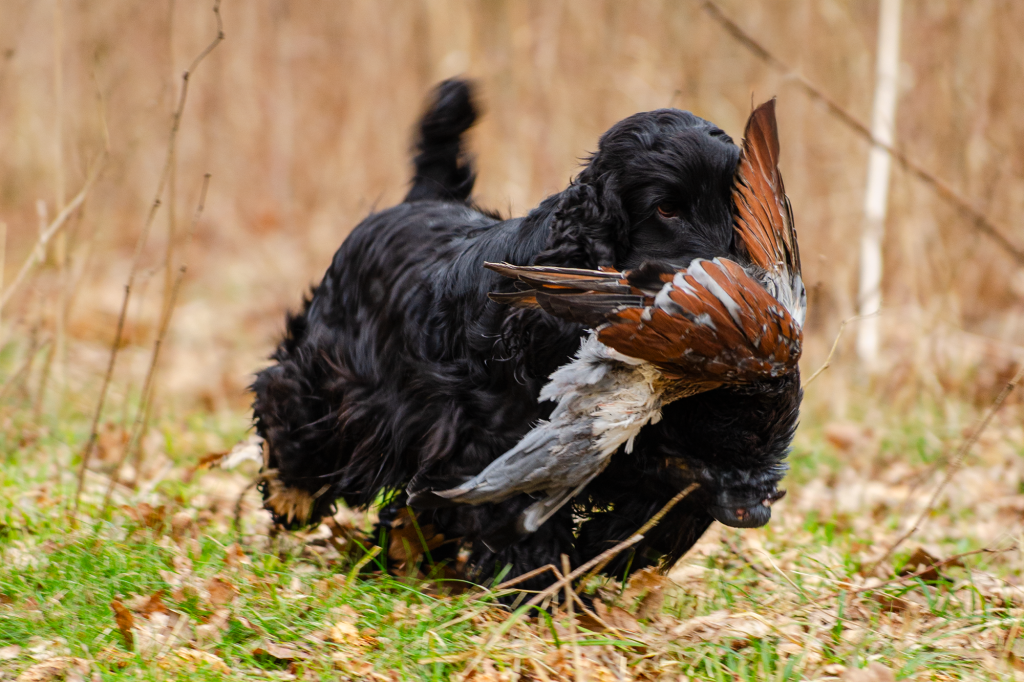
Cocker Spaniels are exceptional hunting dogs, renowned for their keen sense of smell and agility in locating game birds like woodcock and pheasants. They exhibit versatile hunting methods and can retrieve on land and water. Distinctions exist between standard and field trial versions, with each having unique strengths for hunting enthusiasts.
-

Cocker Spaniels are beloved for their loyalty and affectionate nature, but they require proper treatment to prevent negative behaviors. Without mental and physical stimulation, they can become uncontrollable, overly protective, or bored, leading to destructive actions. Families must recognize their hunting background and set boundaries to ensure a harmonious relationship.
-

The Cocker Spaniel comes in 18 different colors, divided into solid and particolored groups. Breeders often have preferences for one group over the other due to complexities in crossing colors. Although color is important to people, breeding primarily focuses on health, temperament, and breed traits. Overemphasis on specific colors can impact coat structure and pigmentation.
-

The Cocker Spaniel can exhibit resource guarding behavior, especially with food and toys. This trait becomes more apparent as owners expect their dogs to behave like human babies. Proper training from an early age is crucial to prevent this behavior from becoming problematic. Positive and firm training, along with simple tricks, can help strengthen the…
-

This post promotes Lotte Evers’ book “Spanielbogen – en håndbog til alle hundeejere,” a comprehensive guide for Cocker Spaniel enthusiasts. The book offers practical advice, honest insights, breed descriptions, and informative chapters on training, health, and more. It receives a top rating from both a Cocker Spaniel and a third-generation breeder.
-

Cocker Spaniel owners often consider clipping their dog’s coat due to difficulty in maintenance. However, the coat serves important purposes, such as regulating temperature and protecting the skin. Clipping could lead to skin damage and impact the hair’s regrowth. Maintaining the coat is crucial for the dog’s health and well-being, as it originally served as…
-

The Cocker Spaniel is a cooperative and pleasing breed, but their deep focus on instincts can make them seem deaf when they find something interesting on walks. Training and knowledge of the breed are essential for successful off-leash walks, as they may easily be distracted by birds or other scents. Dedication and patience are key.
-

The Cocker Spaniel’s name comes from its hunting skill, particularly in flushing out Woodcocks. It was recognized as a separate breed in 1893 due to its smaller size and exceptional hunting abilities. Today, it remains a popular hunting companion, known for its ability to retrieve game. The breed’s hunting tradition includes honoring the first woodcock…
-

The Cocker Spaniel, known for adaptation, can thrive in an apartment with proper care. Living in a small space requires daily long walks, outdoor activities, and training. This breed demands extensive time and effort, regardless of dwelling. Consider non-working breeds if unable to commit. Apartment living ensures consistent engagement for this rewarding, albeit demanding, companion.
 cockermaggie.com